EN
EN UR
UR ru
ru bn
bn ar
ar ky
ky th
th fil
fil vi
vi ms
ms tr
tr ro
ro pt
pt es
es af
af fa
fa uk
uk nl
nl pl
pl fr
fr de
de
Manufacturing process of cemented carbide
The main raw materials used in cemented carbide production include tungsten trioxide, tungsten powder, titanium dioxide, tantalum (niobium) powder or tantalum (niobium) pentoxide, cobalt oxide (or cobalt powder), carbon black, etc. During the production process, raw materials such as tungsten carbide, titanium carbide, tantalum carbide, niobium carbide, and metallic cobalt powder are typically required.

Production Process of Cemented Carbide Flow:
Raw material mixing → Carburization → Ball milling → Wet milling → Filtration → Drying → Sieving → Blending → Drying → Grinding → Wire drawing → Pressing → Drying → Machining → Semi-inspection → Loading → Sintering → Sandblasting → Final inspection → Packaging
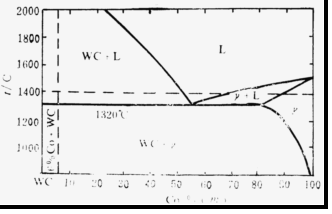
In the above process, sintering is one of the crucial steps in the production of powder metallurgy products. Its purpose is to strengthen the product to achieve the final required physical and mechanical properties. The sintering of cemented carbide is a typical liquid-phase sintering process, which can be divided into three stages:
1. Below 1000°C.
2. 1000°C to sintering temperature** – the most critical stage.
3. Cooling stage.
Related product categories
- ISO-certified carbide roll rings for sale
- benefits of using cemented carbide roll rings for roll rings
- carbide rolls for plate mills
- high-performance roller rings for steel mills
- carbide roller rings for continuous rolling mills
- wear-resistant rolls for plate mills
- cemented carbide blades for plastics cutting
- supplier of roll rings Italy
- carbide roll rings Canada
- carbide milling tools
- china flat end mill
- china cemented solid tungsten carbide rod